
Inspiring conversations about modern applications of deep time practices from around the world
Re-Rooting Ourselves
in Nature
Inspiring conversations about modern applications of deep time practices from around the world
All of humanity is bound together by the shared experience of living with and within the confines of natural systems and the extent to which we may alter them and still survive. Around the world and across time, humans have developed relationships with the place(s) in which they reside and with the beings with whom they share it. Ancestral knowledge, stories, spiritual practices, and daily living customs arose in this learning to live as a part of nature and spread across the globe as humans migrated, willingly and unwillingly.
In this series, we will explore some of these questions (and others) with writers, thinkers, and teachers from around the planet:
-
Does a thriving ecosystem hold spiritual value in your lineage?
-
How are ecological concepts encoded in the language, mythology, story telling, calendars, and/or celebrations of your ancestors?
-
What community organizing and decision making practices evolved from living in deep connection with the land?
-
Are there any ancestral building practices that remain in use today?
-
What can you tell us about how local plants, animals, and fungi were/are utilized in healing – both magical and mundane?
-
Are there any place-based human relationship practices that we can learn from (e.g. dating, partnering, parenting, outside community)?
Speakers
Stories of Hope – Judith Schwartz – Sept. 22nd
Indigenous Regenerative Food Systems, Past and Present – Dr. Lyla June – Sept. 29th
The Planet’s Moisture Pump – Anastassia Makarieva – Oct. 6th
Ancestors of the Land – Scott Richardson-Read – Oct. 13th
Re-Rooting as a Refugee – Paulinho Muzaliwa – Oct 20th
Greening the Desert – Nadia Lawton – Oct. 27th
Water & Fireflies: Grieving & Thriving for Community Activists – Bonita Eloise Ford – Nov. 3rd
Re-Rooting in the Brazilian Atlantic Rainfroest – Jonathan Belarmino – Nov. 10th
Stories of Hope
Judith Schwartz – Sept. 22nd
Indigenous Regenerative Food Systems, Past and Present
Dr. Lyla June – Sept. 29th
The Planet’s Moisture Pump
Anastassia Makarieva – Oct. 6th
Ancestors of the Land
Scott Richardson-Read – Oct. 13th
Re-Rooting as a Refugee
Paulinho Muzaliwa – Oct 20th
Greening the Desert
Nadia Lawton – Oct. 27th
Water & Fireflies: Grieving & Thriving for Community Activists
Bonita Eloise Ford – Nov. 3rd
Re-Rooting in the Brazilian Atlantic Rainfroest
Jonathan Belarmino – Nov. 10th
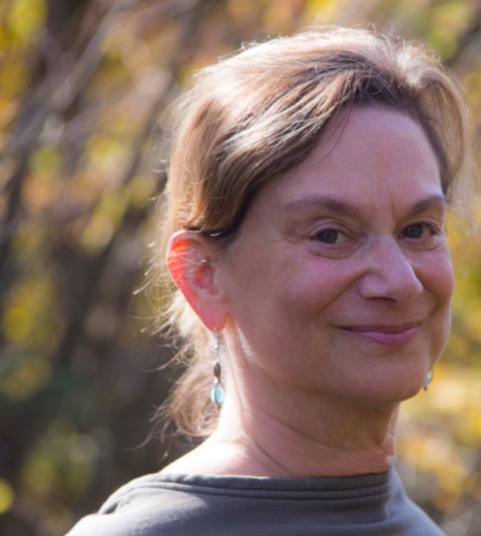
Judith Schwartz
Stories of Hope
September 22nd
Judith, an award-winning science journalist and storyteller has researched and visited people all around the world who are successfully repairing ecosystems using time-honored soil, water, and land stewardship practices. Join us to hear some of those hope-filled stories and learn how writing these stories has inspired her own daily living practices.
Judith Schwartz is a Vermont-based writer and speaker who explores our environmental challenges through the lens of nature, as in how natural systems “work”, creating the conditions for life to thrive. A graduate of Columbia University Graduate School of Journalism, her books include The Reindeer Chronicles, Water In Plain Sight, and Cows Save the Planet.
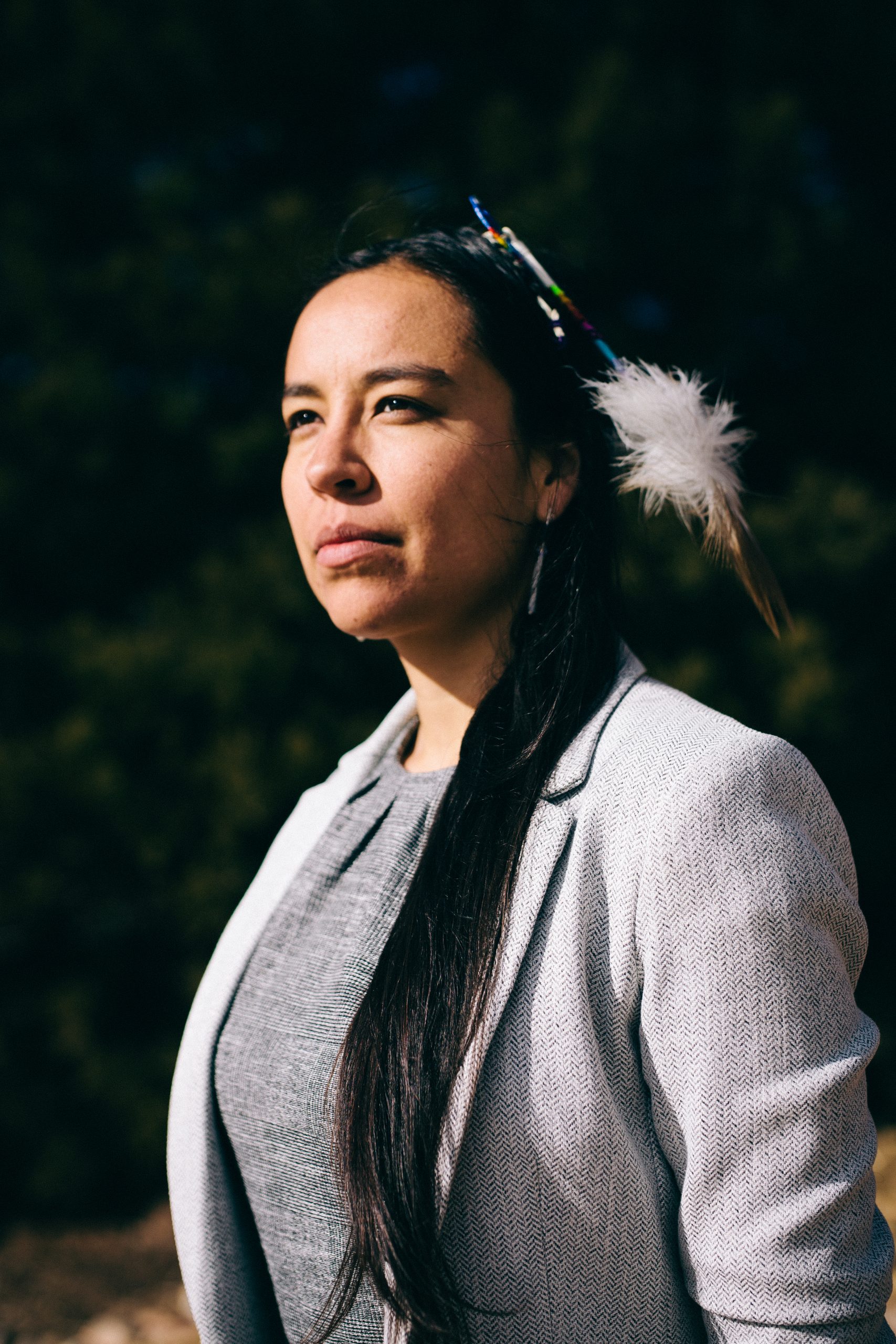
Dr. Lyla June Johnston
Indigenous Regenerative Food Systems, Past and Present
September 29th
In this session we will review Indigenous Regenerative Food System case studies. In addition to the specific practices of Indigenous Nations—from Clam Gardens, to regional-scale Chestnut groves, to tallgrass prairie management, to herbivore management—Dr. Lyla June also highlights the value system of Indigenous Nations that are the real secret to their success. These value systems almost invariably revolve around the principles of humility, respect, reciprocity, reverence, regeneration, responsibility to homeland, kinship with life, and being a good ancestor. These things, she argues, are the elements of our inner landscapes that we must cultivate strongly before we can ever hope to properly care for our outer landscapes.
Dr. Lyla June Johnston (aka Lyla June) is an Indigenous musician, scholar, and community organizer of Diné (Navajo), Tsétsêhéstâhese (Cheyenne) and European lineages. Her multi-genre presentation style has engaged audiences across the globe towards personal, collective, and ecological healing. She blends her study of Human Ecology at Stanford, graduate work in Indigenous Pedagogy, and the traditional worldview she grew up with to inform her music, perspectives and solutions. She recently finished her PhD on the ways in which pre-colonial Indigenous Nations shaped large regions of Turtle Island (aka the Americas) to produce abundant food systems for humans and non-humans.
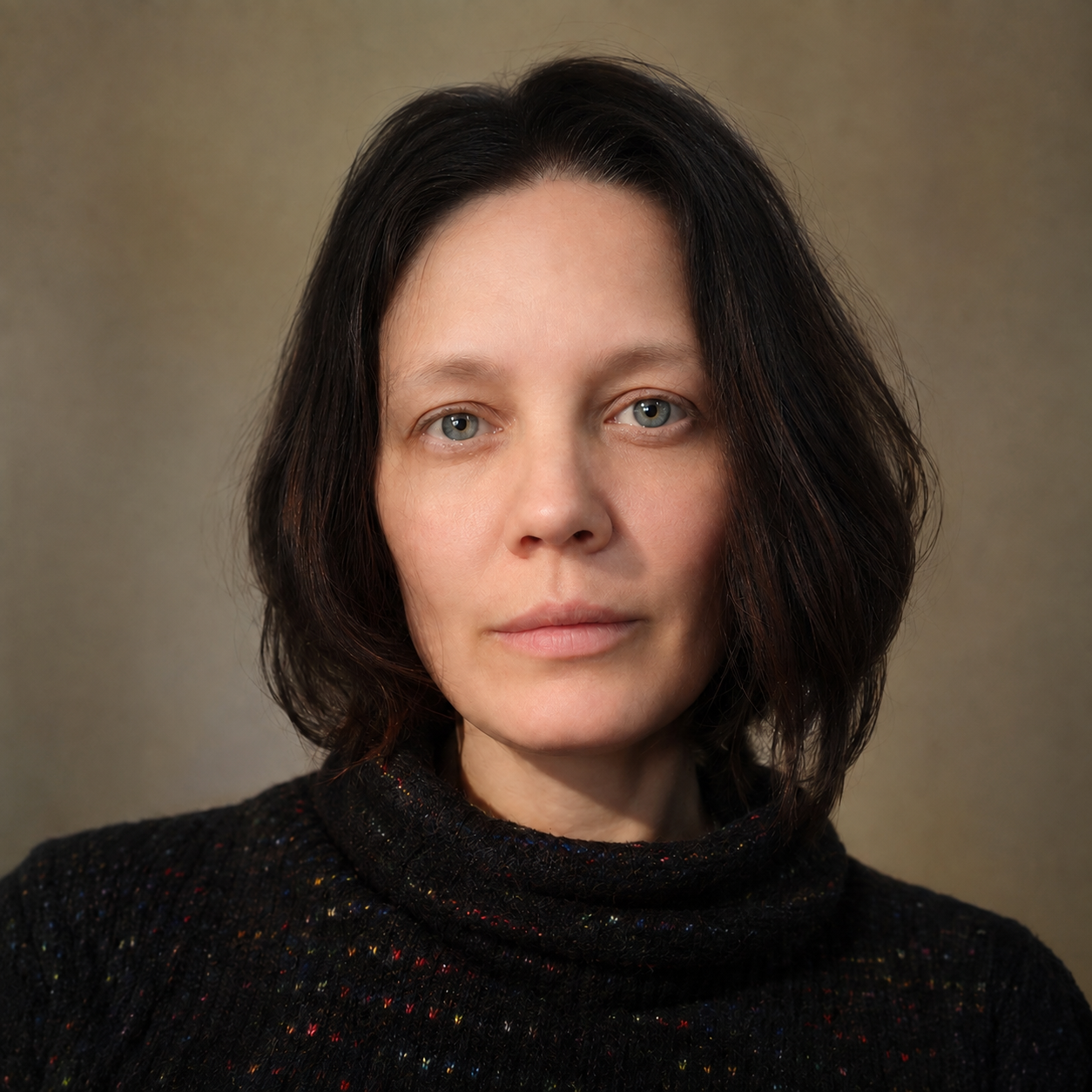
Anastassia Makarieva
The Planet’s Moisture Pump
October 6th
Dr. Anastassia Makarieva, along with V. G. Gorshkov, formulated the concept of the biotic pump: the atmospheric transport of moisture from ocean to land, a process that sustains terrestrial life. Drawing on more than five years of forest research in the Russian wilderness, Anastassia will help us understand this ecological system and the wider importance of forests for water and climate. She will also share how she thrives in one of the most remote places on the planet and reflect on what wilderness can teach us about our search for meaning.
Anastassia Makarieva graduated from the Faculty of Physics and Mechanics at Leningrad Polytechnic Institute in 1996 and received her PhD in atmospheric physics from St. Petersburg State University in 2000. Since 1996, she has worked in the Theoretical Physics Division of the Petersburg Nuclear Physics Institute, investigating interactions between life and the environment within the framework of the biotic regulation concept founded by Prof. Victor Gorshkov. More recently, she has also been a fellow at the TUM Institute for Advanced Study.
Together with V. G. Gorshkov, Anastassia formulated the concept of the biotic pump of atmospheric moisture, highlighting key ecological feedbacks that sustain moisture transport from ocean to land. In collaboration with an international team, she also demonstrated the existence of life’s metabolic optimum—a broadly universal rate of energy use across the kingdoms of life.
Her theoretical research is grounded in prolonged observation of the natural world: Anastassia has spent more than sixty months conducting forest research in the Russian wilderness. Her current work focuses on deepening the physical understanding of how natural ecosystems regulate the water cycle, atmospheric moisture transport, and the habitability of the land.
She also writes the Biotic Regulation and Biotic Pump blog on substack, where she crosses disciplinary boundaries to explore how natural ecosystems keep the Earth habitable—and what this understanding may teach us about humanity’s relationship with the living world.
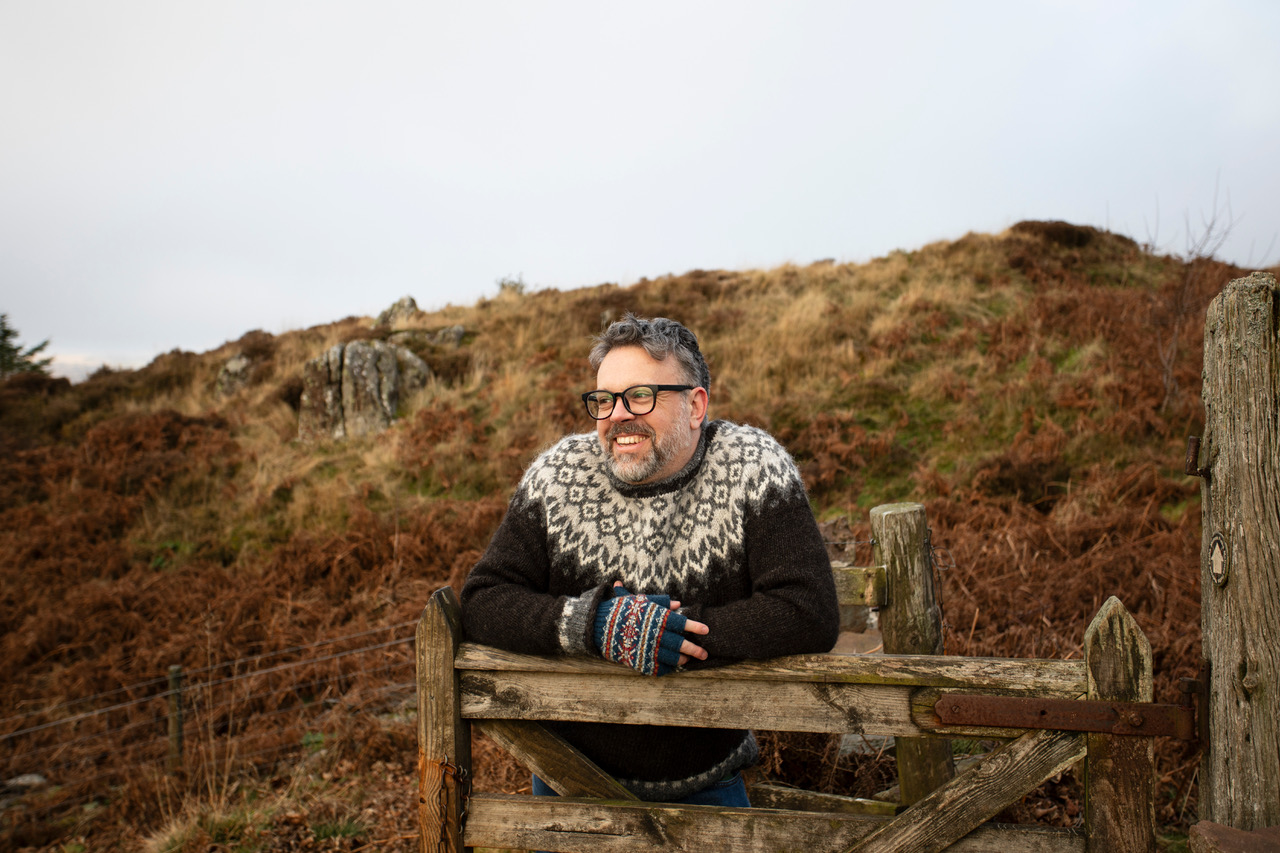
Scott Richardson-Read
Ancestors of the land
October 13th
Scottish writer, advocate and agitator, and folk magic practitioner, Scott Richardson-Read will talk about how the long relationship his ancestors have with the land (and an island no less) has shaped traditional stories, language, mythology, calendars, and celebrations and the effects of the diaspora on those aspects of culture. We will also learn how his writing and advocacy has shaped and re-shaped his daily living practices and story telling over time.
Scott Richardson-Read is a queer working-class writer, folklorist, and alternative cultural historian with a deep connection to Scotland’s folk heritage. As the creator of Cailleach’s Herbarium, a platform dedicated to reviving and preserving Scottish folk traditions, Scott has spent years researching and sharing the stories, practices, and beliefs that define the working-class and animistic roots of Scottish culture. His work reflects a blend of deep archival exploration, oral history, and personal experience in the landscapes of Scotland.
With a background steeped in human rights, ecology, activism, and traditions, Scott’s writing bridges the past and present, offering fresh insights into the enduring significance of folk belief. Throughout his decades-long journey, he has continued to advocate for the preservation of Scotland’s sacred sites and cultural heritage.
When not writing, Scott is often found exploring Scotland’s wild spaces, old libraries, and archives, drinking tea with his cats, or engaging with the vibrant communities keeping traditions alive.
Scott is the author of two books: The Tales of the Taibhsear (2018) (and associated album) and, released last year, Mill Dust and Dreaming Bread – Exploring Scottish Folk Belief and Folk Magic (2025), in paperback in 2026.
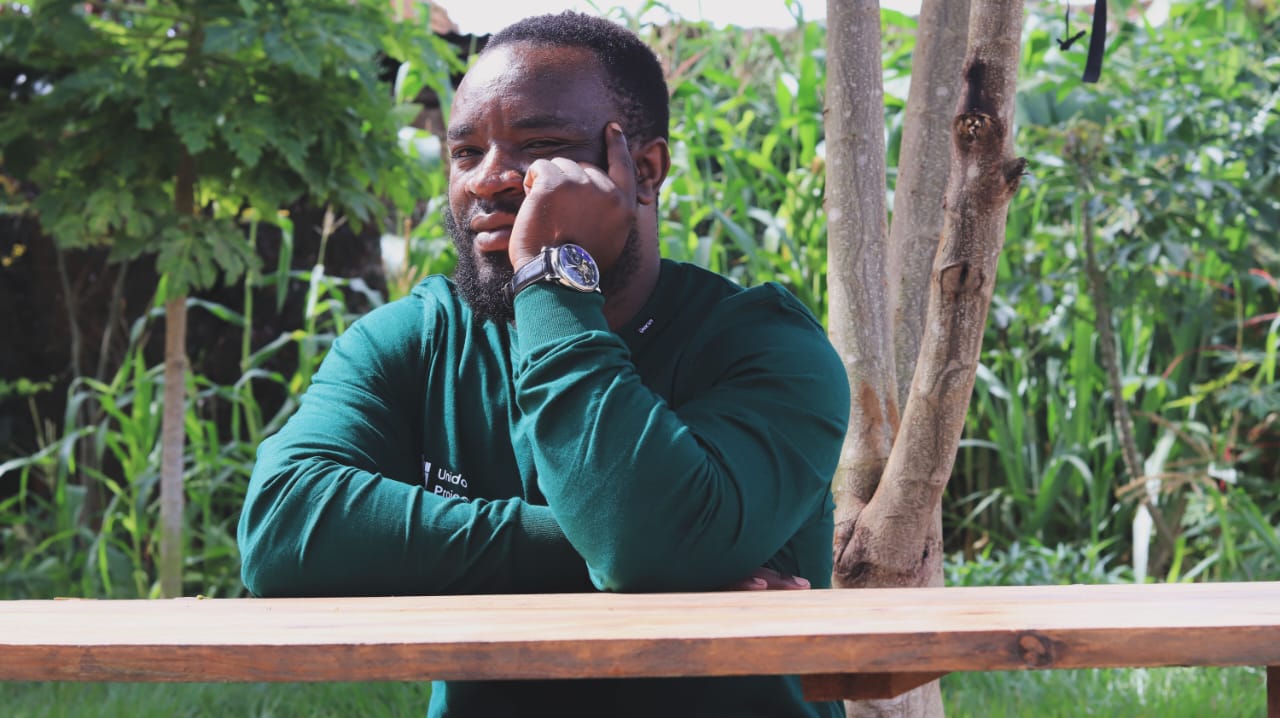
Paulinho Muzaliwa
Re-rooting as A Refugee
October 20th
Paulinho crossed the border into Uganda as a refugee “with nothing but hope” nine years ago and founded the Unidos Social Innovation Center, where refugee led solutions regenerate not only food and land but also people and their dignity, and hope. In this session we’ll learn how hope and action together make it possible to thrive in a new place.
Paulinho Muzaliwa is a Resilience Designer and social entrepreneur dedicated to transforming refugee settlements into thriving regenerative communities. He is the founder of the Unidos Social Innovation Center, advancing community-led solutions for food security, environmental restoration, and economic empowerment. A certified permaculture teacher and accredited Warm Data Host, he combines systems thinking, leadership, and innovation to create sustainable livelihoods. His work has earned international recognition, including the Gene Dewey Refugee Award, the Social Impact Award, and the Permaculture Magazine Award. Paulinho envisions refugee settlements becoming resilient ecosystems with access to clean water, nutritious food, quality education, and meaningful opportunities.
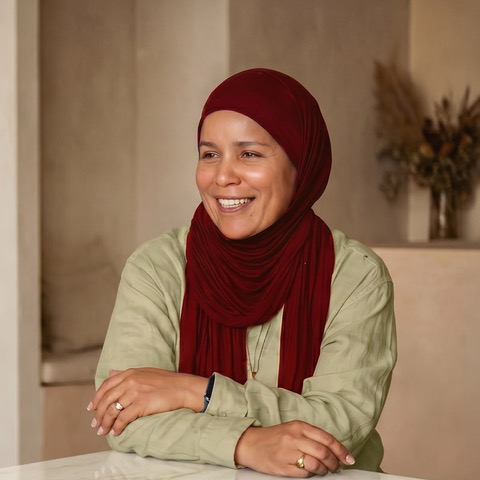
Nadia Lawton
Greening The Desert
October 27th
Jordanian Nadia Lawton, the daughter of a Dead Sea Valley farmer and herbal healer, founded the Greening The Desert project after studying permaculture. Now an international teacher with homes in Jordan and Australia, Nadia will share some of her stories of living a life deeply connected with nature.
Nadia Lawton was born in the Dead Sea Valley in Jordan where she learned traditional ways of land use from her father, an expert farmer and herbal healer. After completing her PDC in the Dead Sea Valley in 1999 she proceeded to work on the “Greening the Desert” project, established permaculture women’s groups and school projects. Nadia has a Permaculture Diploma in design, education and site development and is a registered permaculture teacher in the English and Arabic languages. Nadia dedicates much of her time to the permaculture movement as an international permaculture teacher, consultant and aid worker.
Bonita Eloise Ford
Water & Fireflies: Grieving & Thriving for Community Activists
November 3rd
How might our relationships with place and community guide our activism? Support life after loss? Join us for a conversation with Bonita on learning to grieve, thrive, and be part of the places and communities she loves.
Bonita will share how fireflies in her edible forest garden, beavers at a local wetland, and nature-based ceremonies with Indigenous grandmothers helped her integrate activism and spirituality, ecological regeneration and personal healing. In between personal stories, Bonita will guide us in a short visualization with gentle movement and personal reflection.
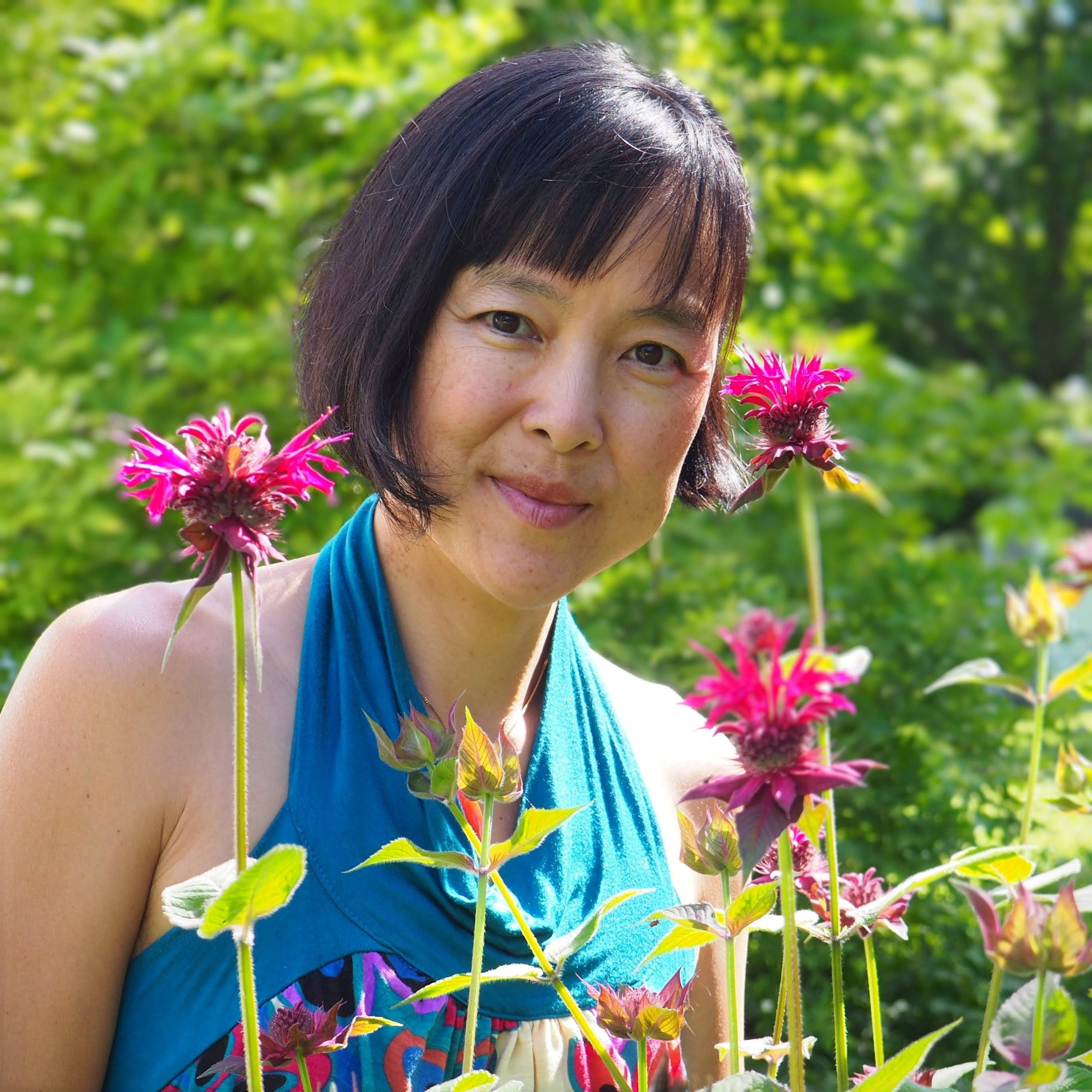
Bonita Eloise Ford MA, BSc, is an author, educator, and group facilitator who helps people respond to eco/climate breakdown. Her book “Embers of Hope: Embracing Life in an Age of Ecological Destruction and Climate Chaos” was listed in the “Top 20+ best all-time permaculture books by women,” and her new book, “Climate Care: 7 Ways to Honor Eco Emotions,” is available for pre-order now. Her rich experience—teaching permaculture, practicing Nonviolent Communication, and volunteering at a community hospice—brings ecological awareness and personal sensitivity to readers. With an MA in holistic health education and a BSc in biochemistry, Bonita has facilitated groups around the world for over 23 years and recently launched Climate Mental Health Network’s program for youth climate leaders. Based in Perth, Canada, which is traditional unceded Omàmiwinini (Algonquin) territory, Bonita loves swimming in the river, eating wild foods, and talking to the plants.
Jonathan Belarmino
Re-rooting in The Brazilian Atlantic Rainforest
November 10th
Jonathan joined the permaculture farm, Eco Caminhos, as their Communications Coordinator in 2025 and set out to tell stories and build community for the project. What he didn’t anticipate is how this role would lead to a personal journey of questioning old habits, changing his relationship with consumption, and discovering new ways of living with greater awareness and connection. Join us for a conversation about the effects of spending more time in nature and the possibility of finding our roots again.
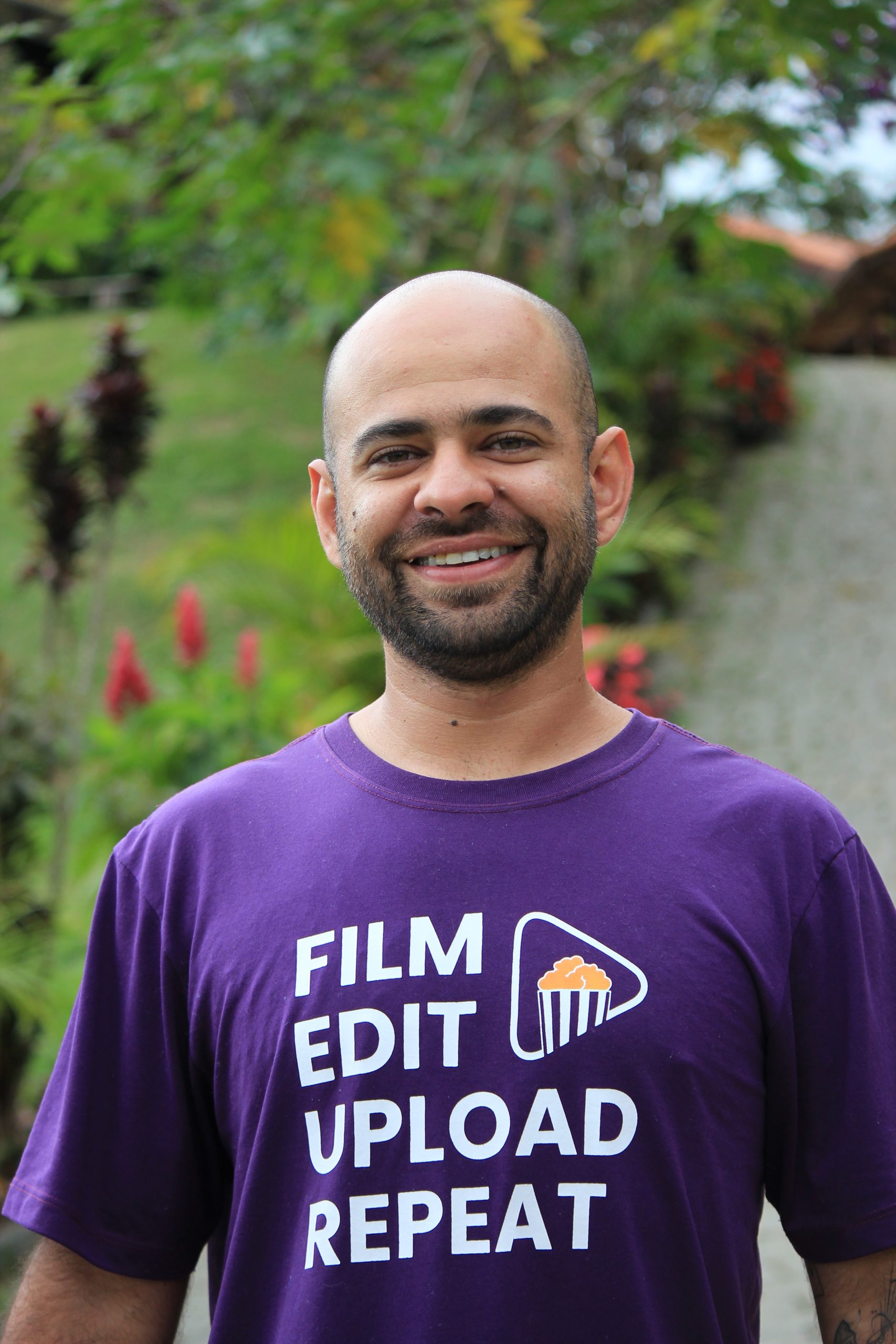
Jonathan Belarmino is a Brazilian communications professional driven by curiosity, creativity, and the power of storytelling to create meaningful connections. Originally from Minas Gerais, a state shaped by the Cerrado biome, he now lives in Rio de Janeiro, surrounded by the Atlantic Forest. This journey between two distinct Brazilian ecosystems has shaped the way he sees nature, place, and our relationship with the environment.
As Communications Coordinator at Eco Caminhos, Jonathan brings together his background in business consulting, marketing, audiovisual production, and strategic communication to tell the story of a different way of living, learning, and connecting with nature.
At Eco Caminhos, a permaculture farm in Brazil’s Atlantic Forest, he helps translate the work in permaculture, agroforestry, natural building, education, volunteering, and community development into stories that connect with people around the world.
WHAT YOU NEED TO KNOW
COURSE INFORMATION
- Location: Virtual
- Live Class: Tuesdays, Sept. 22nd – Nov. 10th
- Timing: 9 am Pacific/12pm Eastern time
- Single speaker: $20-$30 (sliding scale)
- Full Series: $100-$150 (sliding scale)
- Recording: All sessions are recorded and closed-captioned
- Helpful Tool: Time Zone Converter
Go deeper – Get a book by our presenters
FUNDING YOUR EDUCATION
Diversity Scholarship
DIVERSITY SCHOLARSHIPS
- Earth Activist Training is committed to increasing the diversity of global permaculture and regenerative land movements.
- We recognize the history of this land called the United States and Canada, and seek to do what we can to rectify the deep injustices and systems of inequity that formed and continue to shape society today.
- Diversity Scholarships are available for Indigenous Peoples and People of Color working in or wanting to work in environmental or social justice.
- These scholarships are pay-what-you-can with the recommended value of 50% of standard tuition, but any amount will be accepted and appreciated.
- To apply, select “Diversity Scholarship” in the payment section on the registration form below.
- Earth Activist Training’s Diversity Scholarship fund is supported by donations. Visit our Diversity Fund page if you wish to support our Scholarship program.
- Learn more about Earth Activist Training’s dedication to social justice on our Solidarity page.

Register
Click here to Register
What Comes Next?
Are you ready for the next step of your learning journey?



OUR NETWORK
A core component of this course – and every Earth Activist Training course – is our private forum: Earth Activist Training Online network. This platform is where you will find course resources, your homework, and a network to connect with classmates and other Earth Activist students.
Recordings of each class will be available to you as a resource. You will have access to the course for a year after the course ends should you want to deepen your understanding of the material.

Have a question?
calendar
Check out the full schedule to find out when our programs and events are taking place.
Join our announcement list
Want to be notified of EAT course updates and new program information? Sign up to join our list.